Coral and Pink Tribal Patterns: Minimal Digital Backgrounds for Purposeful Design
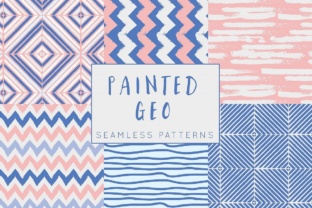
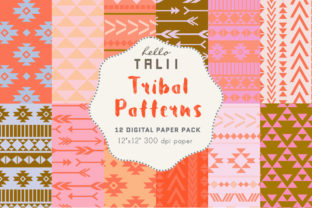
Design today isn’t just about aesthetics—it’s about intention. Whether you’re crafting a brand mood board, designing social media templates, preparing a workshop handout, or building a digital product interface, the background you choose quietly shapes tone, clarity, and connection. Coral and Pink Tribal Patterns meets that need with quiet confidence: a thoughtfully curated set of 12 minimal tribal digital backgrounds in warm, grounded tones—coral, pink, blue, orange, brown, beige—and subtle geometric motifs like arrows, triangles, diamonds, stripes, and layered shapes.
Why “Minimal Tribal” Is Gaining Ground—Not Just as a Style, but as a Strategy
Tribal patterns have long carried cultural resonance, rhythm, and visual storytelling power. But today’s designers aren’t reaching for literal, dense, or historically appropriative interpretations. Instead, they’re drawn to *minimal tribal*—a refined distillation that keeps structure, symbolism, and movement while shedding clutter. Think clean lines instead of intricate linework; balanced negative space instead of all-over density; intentional color palettes instead of arbitrary saturation.
This shift reflects broader changes in how professionals work. Remote collaboration demands files that load quickly, scale cleanly, and adapt across devices. Clients and audiences expect visual consistency without visual fatigue. And creators—whether educators building course slides or small-business owners updating Instagram Stories—need assets that feel distinctive yet professional, expressive yet versatile. Coral and Pink Tribal Patterns delivers exactly that: high-resolution (3600 × 3600 px), JPG files at 300 dpi, ready for both screen and print, with no licensing friction or installation steps.
Color That Connects—Without Overpowering
The palette—coral, pink, blue, orange, brown, beige—isn’t chosen for trend-chasing alone. These hues reflect a growing preference for warmth with restraint. Coral and pink bring approachability and energy, but their muted, earth-adjacent versions avoid millennial pink clichés. Blue adds calm authority; orange offers quiet vibrancy; brown and beige ground the set in tactility and timelessness. Even in digital form, these colors evoke texture—woven fiber, sun-baked clay, hand-dyed cotton—without needing literal imagery.
That subtlety matters. A background shouldn’t compete with your headline, your data visualization, or your call-to-action. It should support them. These papers do that by using low-contrast repeats, gentle gradients within shapes, and asymmetrical arrangements that guide the eye rather than scatter it. An arrow motif might nudge attention toward a button; a diamond grid could frame a testimonial without boxing it in.
How Professionals Are Using These Backgrounds—Beyond “Just Decoration”
In practice, Coral and Pink Tribal Patterns shows up where intention meets execution:
- Content creators use the coral and beige papers as consistent backdrops for quote graphics—creating instant visual recognition across platforms without relying on logos or fonts alone.
- Educators and trainers layer the striped or triangular papers beneath editable Canva templates for worksheets and reflection prompts, adding visual rhythm that supports cognitive flow without distracting from learning objectives.
- Small business owners apply the orange or blue backgrounds to email headers, PDF pitch decks, and printable packaging inserts—reinforcing brand personality in touchpoints where custom design resources are limited.
- Freelance designers integrate the diamond or arrow patterns into UI mockups as subtle surface textures, helping clients visualize depth and hierarchy before committing to full development.
What ties these uses together is efficiency—not just speed, but *focused* efficiency. Each 12×12 inch file is sized to match standard digital canvas dimensions used in tools like Photoshop, Procreate, Figma, and Canva. No cropping, no scaling guesswork, no pixelation when zoomed. That reliability saves minutes per project—minutes that add up to hours over a month of client work or content production.
Geometric Motifs With Meaning—Not Just Decoration
Arrows, triangles, diamonds, and stripes aren’t included for ornamentation. They serve functional roles in visual communication:
- Arrows suggest direction, progression, or emphasis—ideal for process diagrams, timeline visuals, or navigation aids in digital guides.
- Triangles imply stability or dynamism depending on orientation; upright triangles convey balance, while inverted ones introduce gentle tension—useful in presentations about change or innovation.
- Diamonds offer symmetry and focus; they naturally draw the eye inward, making them effective behind centered quotes, logos, or key metrics.
- Stripes create rhythm and alignment—especially helpful in layouts requiring clear column separation or visual pacing, like blog post headers or newsletter banners.
Because these shapes appear in minimal, spaced-out arrangements—not dense tessellations—they remain legible even when overlaid with semi-transparent text boxes or icons. That flexibility means one background can serve multiple purposes across a single project, reducing asset sprawl and maintaining cohesion.
Practical Integration—No Design Degree Required
You don’t need advanced software skills to benefit from Coral and Pink Tribal Patterns. These JPG files open instantly in free tools like Google Slides, Keynote, or Canva. Drag one in as a slide background, lock it, and build your content on top. For print use—like branded stationery or workshop handouts—the 300 dpi resolution ensures crisp output on home printers or commercial presses alike.
A realistic tip: Start with just two or three papers from the set—say, the coral arrow paper for action-oriented content, the beige diamond for reflective or premium-feeling materials, and the blue stripe for structured, data-driven layouts. Build familiarity before expanding. That approach prevents decision fatigue and helps develop a recognizable visual language over time.
Looking Ahead—Sustainable Creativity Starts With Thoughtful Assets
As digital workflows grow more distributed and attention spans tighten, the value of well-designed, ethically sourced, technically sound creative assets continues to rise. Coral and Pink Tribal Patterns reflects this shift—not as a disposable trend, but as a practical response to real needs: clarity amid noise, warmth without cliché, structure without rigidity.
It also aligns with evolving expectations around sustainability in digital creation. High-resolution, multi-use files reduce the need to download dozens of similar-but-slightly-different alternatives. Clear licensing means no last-minute legal reviews before launching a campaign. And a palette rooted in natural pigments—coral as sunset light, brown as soil, beige as unbleached linen—resonates with audiences increasingly attuned to material honesty, even in pixels.
Ultimately, Coral and Pink Tribal Patterns works because it respects the user’s time, intent, and context. It doesn’t shout. It supports. It adapts. And in a landscape saturated with visual noise, that kind of quiet utility is becoming one of the most valuable design qualities of all.